February 8, 2024
2 books · 15 highlights · 10 notes
继续滑动看下一个
和菜头
“于是他们要去做那些一眼就能看到对自己有什么好处的事情,去做可以在他人眼中满足自己虚荣心的事情,去做那些廉价而容易且可以商量代价的事情。同时满足这三个条件的事情往往什么都不是,但是因此烧掉的时间和生命却一点都不少。”
5:43 PM
“连更一周,你就有连更一周的经验。连更一年,你就有连更一年的经验。连更三年,你就知道在连更一年到连更三年之间会发生什么事情,会遇见什么他人想像不到的障碍,会发现自己的内心出现了什么变化。”
5:44 PM
“头脑简单的白痴很好,因为他不受期待和恐惧的折磨,他也不被成败和得失所纠结。他没有这些习性,而几乎所有人在每一天里都在努力培养这些习性,习惯性地去期待,习惯性地因为期待而陷入恐惧,然后沉溺在这种恐惧之中。习惯性地去思维成败得失,又因为这样思维而陷入无尽的纠结,最后欺骗自己说:这不是纠结,而是深入审慎的思考。”
5:45 PM
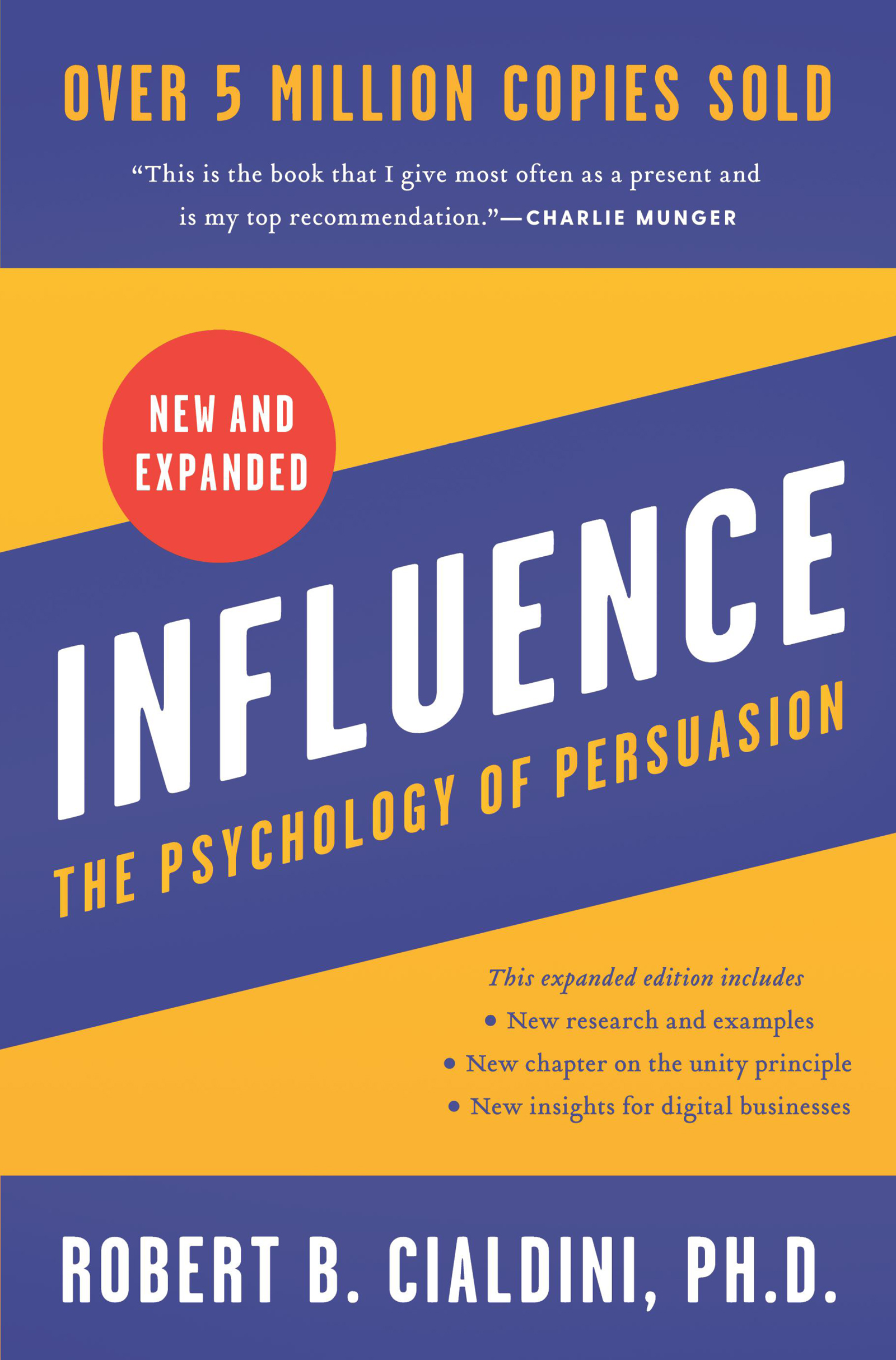
Influence
Robert B. Cialdini, PhD
“The information that someone fancies us can be a bewitchingly effective means for producing return liking and willing compliance.”
2:04 AM
称赞别人是有效的
✎ NOTE
“Each month he sent every one of his more than thirteen thousand former customers a holiday greeting card containing a printed message. The holiday greeting card changed from month to month (Happy New Year, Happy Valentine’s Day, Happy Thanksgiving, and so on), but the message printed on the face of the card never varied. It read, “I like you.” As Joe explained it, “There’s nothing else on the card, nothin’ but my name. I’m just telling ’em that I like ’em”
2:08 AM
每个月给客户寄卡片,写上我喜欢你
✎ NOTE
“Joe understood an important fact about human nature: we are phenomenal suckers for flattery.”
2:09 AM
不要小看了恭维的力量;另一方面,不要吝啬去称赞别人、肯定别人
✎ NOTE
“Give a compliment behind a deserving person’s back”
2:15 AM
可以背后说人的好话
✎ NOTE
“because people want to be associated with good news in the minds of others and actively arrange for it, the assistant will most probably tell your boss what you said”
2:18 AM
“Find and give genuine compliments you want the recipient to live up to.”
2:19 AM
用称赞去正向引导对方
✎ NOTE
“When I had assured them they had heard me correctly, they would usually puff up their chests and respond (with the wave of a hand)”
2:41 AM
场景描述地很生动
✎ NOTE
“becoming familiar with something through repeated contact doesn’t necessarily cause greater liking. In fact, continued exposure to a person or object under unpleasant conditions such as frustration, conflict, or competition leads to less liking”
5:15 AM
“In general, here is how it works: The teacher stands in front of the class and asks a question. Six to ten children strain in their seats and wave their hands in the teacher’s face, eager to be called on and show how smart they are. Several others sit quietly with eyes averted, trying to become invisible. When the teacher calls on one child, you see looks of disappointment and dismay on the faces of the eager students, who missed a chance to get the teacher’s approval; and you will see relief on the faces of the others who didn’t know the answer. . . . This game is fiercely competitive and the stakes are high, because the kids are competing for the love and approval of one of the two or three most important people in their world.”
5:16 AM
学校培养了学生某种渴望获得认可的习惯
✎ NOTE
“Further, this teaching process guarantees that the children will not learn to like and understand each other. Conjure up your own experience. If you knew the right answer and the teacher called on someone else, you probably hoped that he or she would make a mistake so that you would have a chance to display your knowledge. If you were called on and failed, or if you didn’t even raise your hand to compete, you probably envied and resented your classmates who knew the answer. Children who fail in this system become jealous and resentful of the successes, putting them down as teacher’s pets or even resorting to violence against them in the school yard. The successful students, for their part, often hold the unsuccessful children in contempt, calling them “dumb” or “stupid.””
5:17 AM
学校培养了学生之间的恶性竞争,而非合作
✎ NOTE
““cooperative learning.””
5:19 AM
合作式学习
✎ NOTE
“bedlam”
5:26 AM
Bedlam: A term used to describe a scene of wild uproar and confusion. The word "bedlam" originated from the name of a notorious mental hospital, Bethlehem Hospital, in London, which became synonymous with chaos and disorder due to the mistreatment of its patients. Today, the term is used to describe any noisy, disorderly, or chaotic situation.
✎ NOTE