February 12, 2024
1 book · 5 highlights · 0 notes
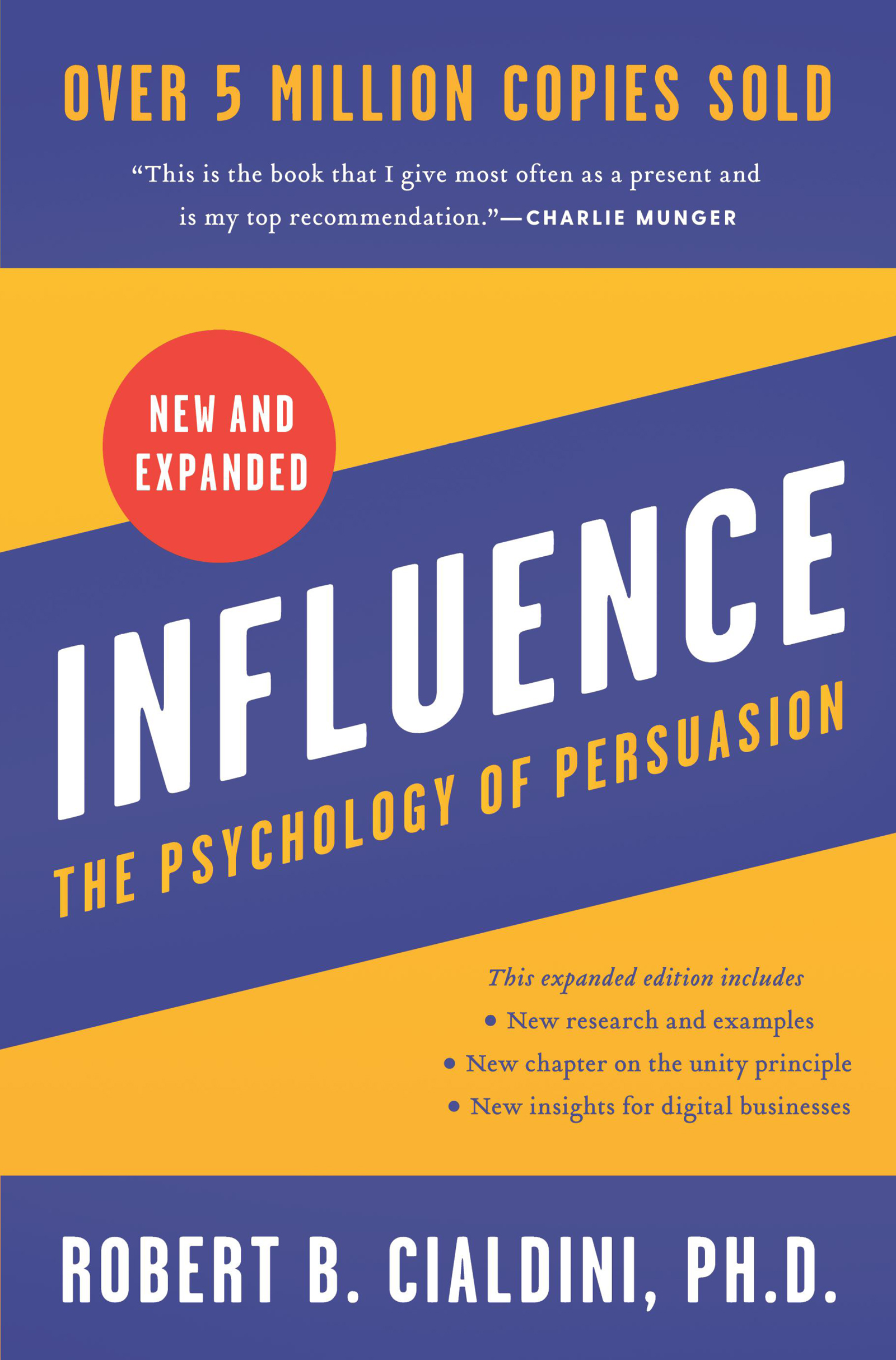
Influence
Robert B. Cialdini, PhD
“The solution also incorporated all three of the reasons why this optimizer of social proof works so forcefully: validity, feasibility, and social acceptance.”
1:38 AM
“If we see a lot of other people doing something, it doesn’t just mean it’s probably a good idea. It also means we could probably do it too.”
2:03 AM
“Take, for example, the account by Yale psychologist Irving Janis of what happened in a group of heavy smokers who came to a clinic for treatment. During the group’s second meeting, nearly everyone took the position that because tobacco is so addicting, no one could be expected to quit all at once. But one man disputed the group’s view, announcing that he had stopped smoking completely since joining the group the week before and that others could do the same. In response, his former comrades banded against him, delivering a series of angry attacks on his position. At the following meeting, the dissenter reported that after considering the others’ point of view, he had come to an important decision: “I have gone back to smoking two packs a day; and won’t make any effort to stop again until after the last meeting.” The other group members immediately welcomed him back into the fold, greeting his decision with applause.”
2:23 AM
“The principle of social proof operates most powerfully when we are observing the behavior of people just like us”
2:25 AM
“People will use the actions of others to decide how to behave, *especially when they view those others as similar to themselves.*”
2:28 AM