October 22, 2024
2 books · 45 highlights · 6 notes
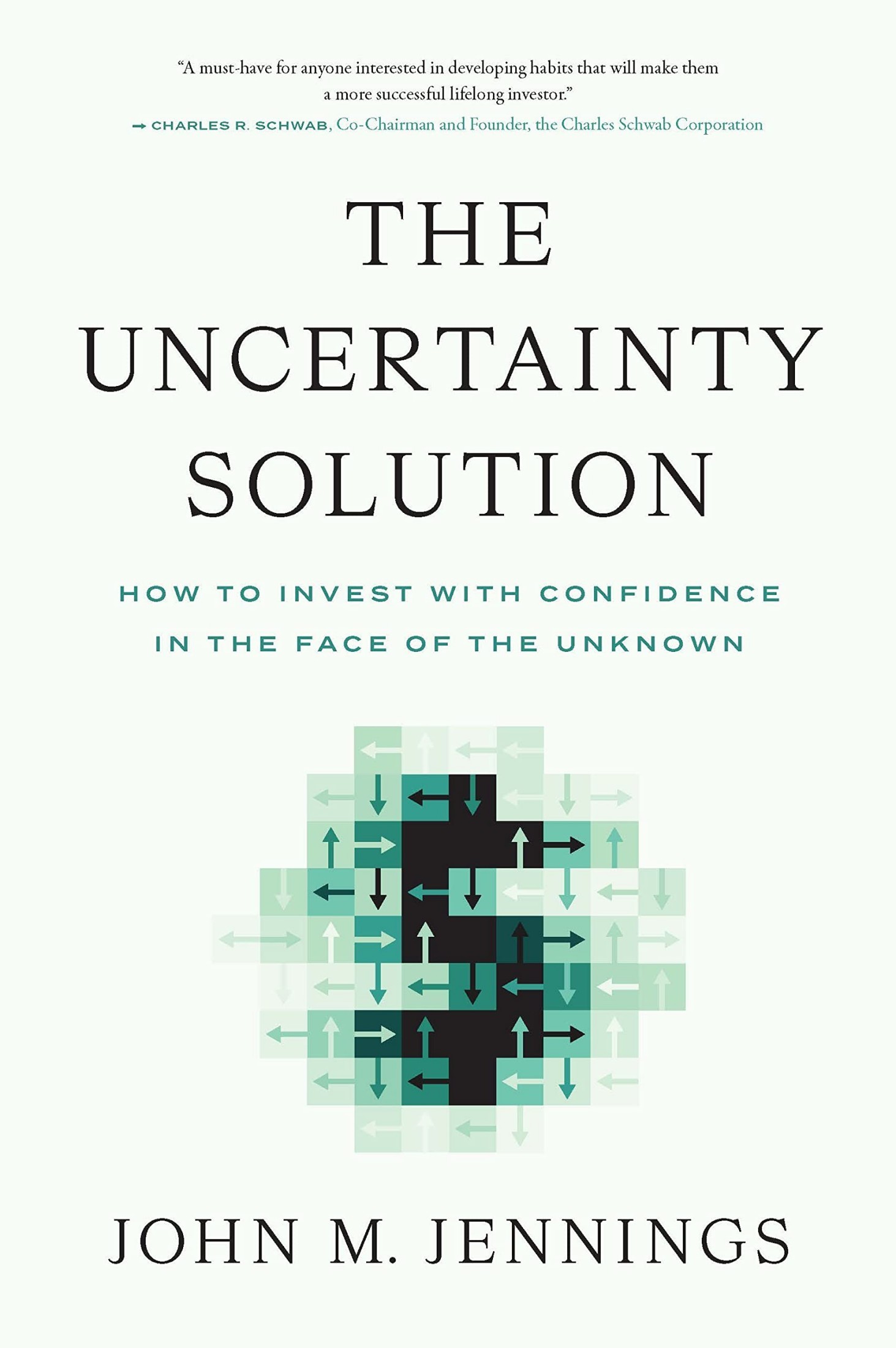
The Uncertainty Solution: How to Invest With Confidence in the Face of the Unknown
John M. Jennings
“What the wise man does in the beginning, the fool does in the end.”
5:52 AM
“First: Markets move in cycles. Second: Market cycles cannot be consistently timed profitably.”
5:54 AM
““the stock market has predicted nine of the last five recessions””
5:56 AM
“Minsky swam against the tide; he didn’t believe that the economy was fundamentally stable and was knocked off course only by external shocks. Instead, he thought that the economy sometimes creates its own bubbles and crashes.”
6:01 AM
股市的基础是不稳定的,它的内部产生了泡沫和崩溃
✎ NOTE
“stable economies sow the seeds of their own destruction because stability, seemingly safe, encourages businesses and individuals to take risks, which creates instability that eventually results in panic and crisis”
6:01 AM
稳定的经济洒下了疯狂的种子
✎ NOTE
“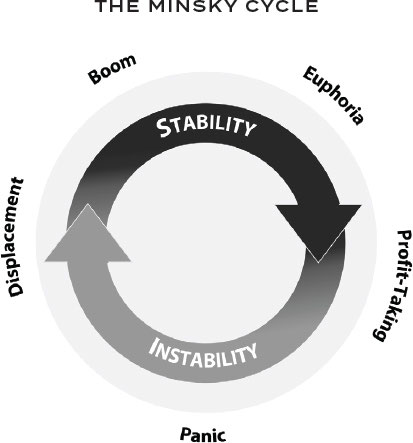”
6:05 AM
“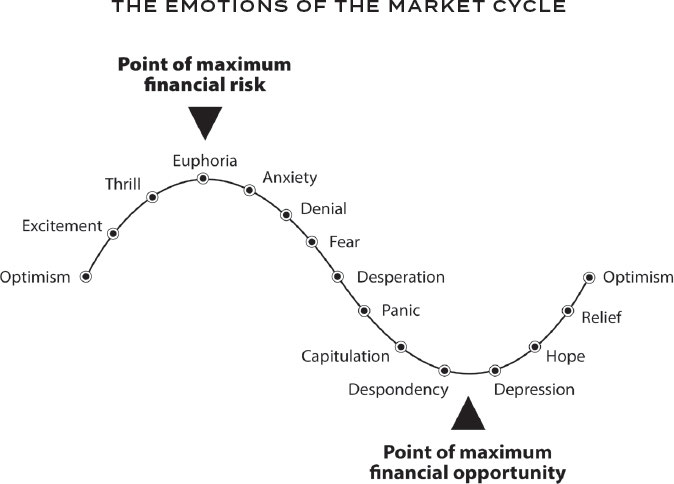”
6:05 AM
“Legendary investor Howard Marks says the goal of understanding market cycles is to “predict the present”—to understand where we are currently rather than try to predict the future.”
6:09 AM
“There’s another paradoxical point to Minsky’s model: the most significant risk in investing occurs when everything seems to be going well, while the panic found deep in a bear market or recession often provides the best investment opportunities. Thus, waiting until everything seems relatively safe and the economy is healthy is not a profitable strategy.”
6:10 AM
最好的投资机会是最恐慌的时候
✎ NOTE
“1. Stay fully invested through good times and bad; or 2. Only invest when the “coast is clear.””
6:11 AM
“Loads of academic studies confirm that it’s impossible to consistently profit from timing the market”
6:16 AM
“If something or somethings consistently signaled market tops and bottoms, everyone would know it; buyers and sellers would use the information to set their prices accordingly. And there ends the utility of those signals.”
6:16 AM
“A tactical shift is making portfolio changes based on what you think various parts of the global stock and bond markets will do in the future.”
6:17 AM
“For example, if their strategy called for having 30 percent of the portfolio in US stocks, and if, due to robust performance, the allocation rose to 35 percent, they would sell some of the stocks to bring the percentage back down to 30 percent and use those funds to buy other investments that hadn’t done as well.”
6:18 AM
“all the professionals around the table had once employed tactical shifts but had changed because the results were disappointing.”
6:19 AM
“Another major problem with timing the stock market is that you must be right twice to be successful once. Just getting out near the top isn’t enough. You also need to get back in near the bottom.”
6:24 AM
“BEING RIGHT ONCE IS HARD. BEING RIGHT TWICE IS HARDER”
6:24 AM
“History has shown that investing in advance of a bear market (or remaining invested) is not as bad as you might think, and sometimes it turns out great”
7:15 AM
“First, the top two portfolios were invested prior to the bursting of the biggest stock market bubble since the 1920s—better than waiting until after the stock market bottomed”
7:22 AM
“the market can stay irrational longer than you can stay solvent.””
7:31 AM
经典:市场的非理性可以持续得很久
✎ NOTE
“Being correct too early is indistinguishable from being wrong.”
7:31 AM
“The problem was that it was way too early; the S&P 500 more than doubled between his warning in 1996 and the market top in March 2000. The Nasdaq gained nearly 300 percent.”
7:33 AM
非理性的兆头会很早
✎ NOTE
“▪Markets move in cycles.”
7:37 AM
“Economic stability creates instability.”
7:38 AM
“Market timing doesn’t work.”
7:38 AM
“▪Waiting to invest until the coast is clear is not a sound strategy.”
7:38 AM
“▪Being “right” doesn’t mean you win because the market can stay “wrong” for a long time. Being right at the right time is what matters.”
7:39 AM
“While the market indisputably moves in cycles, it’s impossible to consistently time market cycles profitably. Understanding these two opposing axioms of investing gives you the freedom to shut out most of the market’s noise and focus on your behavior. Instead of trying to guess what the economy or stock market is going to do, resist the greed—or irrational enthusiasm—that accompanies booms, as well as the panic that comes with busts. Keep calm, carry on, and avoid the urge to tinker with your portfolio.”
7:40 AM
什么是噪音?
✎ NOTE
“The only function of economic forecasting is to make astrology look respectable.”
7:41 AM

1:一个对时间管理的认知转变
一口新飯 by MoneyXYZ
“时间管理的本质其实并不是去管理时间,而是管理注意力。”
5:24 AM
““忙碌是一种懒惰——懒于思考和随意的行动。””
5:24 AM
“1. Direct Attention (引导注意力) 2. Focus Attention (聚焦注意力) 3. Nurture Attention(滋养注意力) (Restore attention, Preserve Attention, Develop Attention)”
5:25 AM
“如果你的目标是获得诺贝尔奖,那么你应该专注于解决那些能帮助你获得诺贝尔奖的问题。如果你每天忙于那些无关紧要的事情,无法帮助你实现目标,那为什么还要去做它呢?”
5:26 AM
“对我来说,学习和写作是最重要的事情,而我的注意力在上午最佳。所以,我的“田忌赛马”策略就是保护好上午的时间,用来学习和写作。我早上5点多起床,开始学习新的内容。比如,我最近的5-am project是学习音乐制作。从早上8点开始,我会准时进入写作状态,一直写到中午吃饭。而阅读、视频剪辑、回复信息、开会等琐事,我都安排在下午和傍晚。这样一来,时间管理变得异常简单。”
5:27 AM
“因此,想要减少内耗,战胜拖延,我们需要反其道而行,刻意减少对未来的考虑,让自己真正‘活在当下’。”
5:31 AM
“**第一个方法:Isolation & Attack。**我称之为“隔离攻击法”。”
5:31 AM
“马斯克在处理一项任务时,仿佛在周围建立了四堵墙,将其完全隔离。他强迫自己只思考当前的事情,全力以赴的去”攻击“这件事情,完全忘掉其他正在发生的重要事项。”
5:33 AM
““信仰式的单任务处理””
5:33 AM
“第一,我培养了一个条件反射:当我要开始一项任务,或者轮到它的时候,我会立即想到“攻击”这个词。让”立即行动“成为想到任务的第一反射。没有中间准备的过程。这对治疗拖延症很有作用。因为当你一旦开始做一件事情的时候,你之前对它的担心和恐惧就会消除一大半。而且,这也会帮助你快速进入心流,保持长时间专注。”
5:33 AM
“第二,在开始任务时,我会在心里默念:“隔离,隔离,再隔离。”我想象在任务周围筑起四面墙,将时间和注意力完全投入其中,强迫自己忘掉其他事情。”
5:33 AM
“第三,当我感到有些分心,或者有人来打扰我时,我会立即对自己说:“到时候再说,现在不想,不讨论,不担心。”这句话帮助我把注意力拉回当前的任务,避免被干扰。”
5:33 AM
“Elon Musk 之所以被称为“连续任务处理者”(Serial Tasker),正是因为他具备这种高效切换注意力的能力”
5:34 AM
“那什么是噪音呢?这个答案很简单。绝大多数的信息都是无意义的噪音。巴菲特说,成功的人和那些特别成功的人的区别在于,那些特别成功的人几乎对一切事情say no.”
5:36 AM
“我做的最多的一个事情就是屏蔽,让垃圾信息和垃圾人都从我时间线上消失。”
5:40 AM
“恢复注意力最主要的方式就是休息和改变。”
5:44 AM