December 6, 2024
1 book · 11 highlights · 0 notes
The Uncertainty Solution: How to Invest With Confidence in the Face of the Unknown
John M. Jennings
“Loss aversion in all its flavors negatively impacts our investment behavior. It causes us to misjudge risk by ascribing outsized pain to losses and skewing our evaluation of risk and reward. Here are two helpful behavior hacks that fight loss aversion: First, avoid looking at your portfolio.”
10:43 AM
“Second, make yourself take losses.”
10:43 AM
“Storytelling allowed us to create and share complicated ideas efficiently, and stories enable large groups of strangers to identify and work together.”
4:13 PM
“A single story can exert more sway over our decisions than reams of data, analysis, and statistics”
4:13 PM
“when considering an individual stock, set aside the stories related to the stock and realize, as discussed in Chapter 6, that most stocks underperform the market, so the odds are against your single stock pick being a good idea.”
4:13 PM
“when considering a start-up company with a compelling story, think about the base rate statistics for start-ups: less than 50 percent make it to their fifth year, and 70 percent fail within ten.”
4:13 PM
“We tend to judge the quality of decisions by the results they produce. But good decisions sometimes produce bad results, and bad decisions can produce good ones. This tendency to judge decisions primarily by results is a form of hindsight bias known as the resulting fallacy, a phrase coined by former professional poker player Annie Duke”
4:13 PM
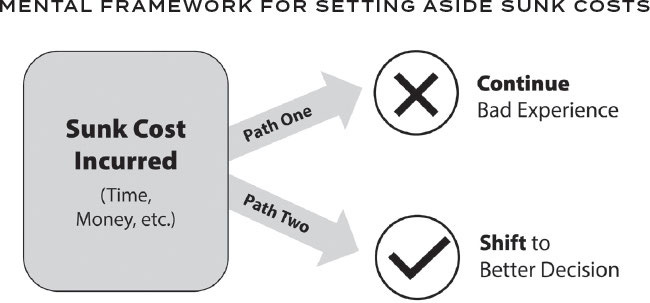
“Ruminating over sunk costs is human nature and pops up in all sorts of situations in our lives.”
4:14 PM
“People engage in risk-seeking behavior to avoid taking a loss. When we’re faced with the possibility of both a gain and a loss, we tend to be risk averse. But when we are faced with locking in a loss, we tend to double-down and take more risk to avoid incurring it. Kahneman provides this example:”
4:14 PM
“Second, make yourself take losses. About five years ago, I met with a client who owned millions of dollars in a struggling company. The stock was way down from where he bought it. We’d been advising him to reduce his ownership of this stock for years, but he was reticent to lock in his loss. At each meeting, he said he wanted to wait to sell when it returned to positive territory. After he again refused to sell, I proposed the following: “Given your strong belief that this company’s stock will rebound, would you like to buy more of it?””
4:14 PM
“”
4:14 PM