February 9, 2025
1 book · 13 highlights · 0 notes
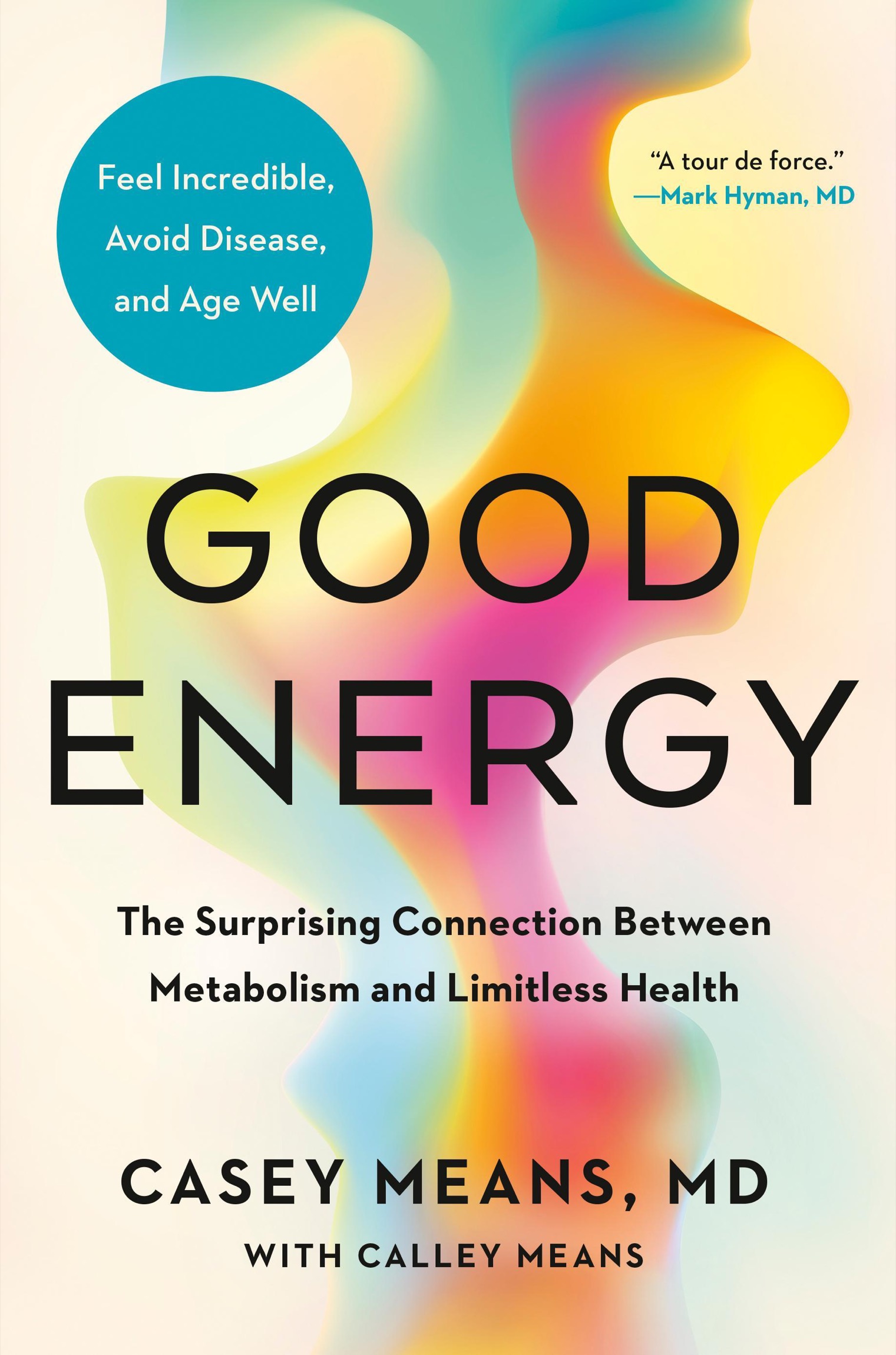
Good Energy
Casey Means, MD
“**Chronic Overnutrition:** Chronic overnutrition, which refers to consuming more calories and macronutrients than the body needs over an extended period, can lead to mitochondrial dysfunction in several ways.”
1:49 AM
“**Nutrient Deficiencies:** The lack of certain micronutrients, such as vitamins and minerals, can lead to mitochondrial dysfunction. T”
1:52 AM
“**Microbiome Issues:** A healthy, flourishing gut microbiome, fed with microbiome-supportive foods and free of microbiome-harming chemicals, produces thousands of “post-biotic” chemicals that travel into our bodies from our gut and act as important signaling molecules, some of which directly affect the mitochondria.”
1:54 AM
“**Sedentary Lifestyle:** Lack of physical activity can lead to decreased mitochondrial function and a reduction in the number and size of mitochondria in cells.”
1:55 AM
“**Chronic Stress:** Prolonged stress can lead to mitochondrial dysfunction through several mechanisms. T”
1:56 AM
“**Artificial Light and Circadian Disruption:** With the advent of portable digital devices, we are being exposed to constant sources of artificial blue light, which is now considered to be both a direct and indirect contributor to mitochondrial dysfunction.”
1:59 AM
“**Thermoneutrality”:** A hallmark of modern industrial life is spending most of our time indoors at relatively consistent ambient temperatures, a concept we’ll refer to as thermoneutrality.”
2:00 AM
“However, when a cell is filled with fat, this insulin signaling process is impaired; glucose channels don’t get shuttled to the cell membrane, and glucose doesn’t get let into the cell; it’s blocked. This”
2:03 AM
“the mitochondria not working properly, the conversion of fats and glucose to ATP becomes impaired, and these raw materials are stored as damaging fats inside the c”
2:03 AM
“The cell “knows” that because of mitochondrial issues, it can’t convert that raw material (glucose) to cellular energy, so it blocks the entry of glucose into the cell.”
2:12 AM
“Excess blood sugar sticks to the most abundant protein in our skin, collagen. Normally, collagen gives our skin its structural integrity. Glycation causes collagen to contort in shape and “cross-link,” leading to wrinkles and the appearance of premature aging.”
3:12 AM
“blood sugar, triglycerides, high-density lipoprotein (HDL) cholesterol, blood pressure, and waist circumference”
12:10 PM
“As I was a C-section-birthed, formula-fed baby who went on to eat processed foods and to frequently consume microbiome-destroying antibiotics, my gut function was likely a disaster (in the scientific literature, this “disaster” is referred to as a combination of “dysbiosis” and “intestinal permeability”), and it was contributing to a vicious cycle of worsening metabolic health, worsening cravings for processed food, and worsening immune function”
2:28 PM